
What to Do Before Calling a Plumber
Calling a plumber is sometimes unavoidable, but taking a few smart steps first can help protect your home, save you time, and even reduce your repair costs. Knowing what to do before calling a plumber helps you stay safe, limits water damage, and gives your plumber the information they need to fix the problem faster.
Below are fast steps you can take when you discover a
plumbing issue. Some are quick actions to protect your home, and others give you clarity about the situation so your plumber can diagnose the problem more easily.
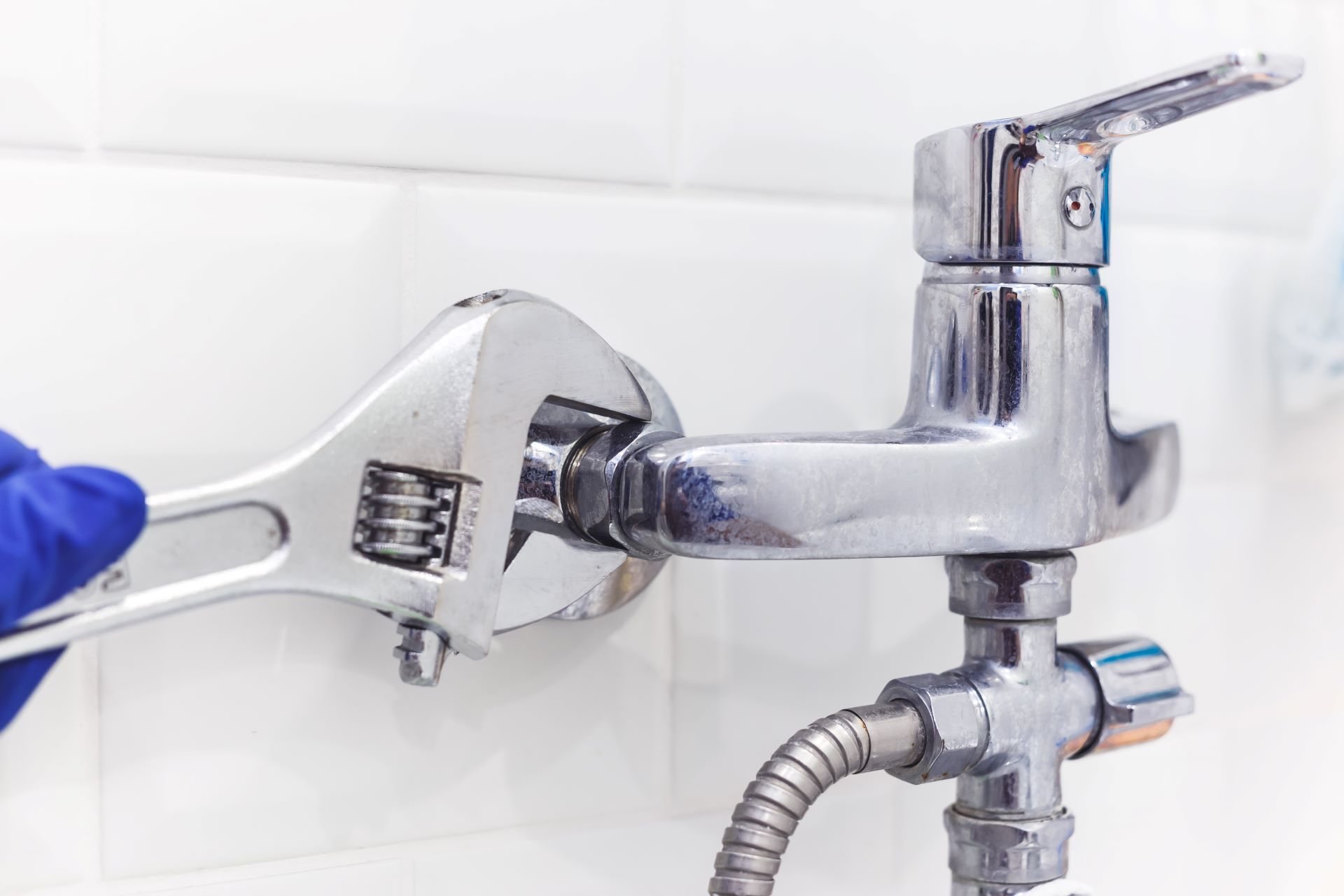
Fast Steps to Follow
Stop the Water Safely (Fixture vs. Main Shutoff)
The first thing to think about when you have a leak or flooding issue is stopping the flow of water. This reduces damage and buys you time.
Identify the right shutoff valve. Most fixtures in your home have a local shutoff valve. These are usually under sinks, behind toilets, or by appliances like dishwashers and washing machines. Turning these valves off stops water just to the affected fixture. This is usually the best first step.
If you cannot stop the leak at the fixture, you need to locate and use your main shutoff valve. This valve stops water to the entire house. It is often found near where the water line enters the home, such as in a basement, utility area, or exterior wall. Know in advance where this is in your home so you don’t waste time searching when water is flooding.
Tips for safe shutoff:
- Turn valves gently. If a valve is old or stuck, forcing it could damage the valve.
- Never try to remove a valve you cannot turn. That can increase leaks.
- If you cannot locate your main shutoff, note where your water line enters and check nearby walls or floors.
Stopping the water quickly can make a big difference in how much damage any leak causes.
Prevent Damage (Containment and Power Safety)
Once the water is stopped, your next priority is to protect your home and safety.
- Contain the water. Use towels, mops, buckets, and old blankets to block water from spreading. Move furniture, rugs, and belongings out of the way. Even small puddles can damage wood floors and carpets if left unattended.
- Watch for electrical hazards. Water and electricity do not mix. If water is near outlets, circuit boxes, or plugged-in appliances, turn off the power to that area at your breaker box if it is safe to do so. Do not touch water near electricity.
- Protect floors and walls. If water is leaking down walls or through ceilings, use buckets or bins to catch drips. Consider placing plastic sheeting under the area to protect floors.
Taking these simple actions helps limit the damage until professional help arrives.
Quick Troubleshooting That’s Safe to Try
Before calling a plumber, there are a few quick checks you can do safely. These are not repairs but help you understand the issue better.
- Check for visible clogs. If a sink or tub is draining slowly, look for hair or debris in the drain strainer. Removing visible debris can improve flow, but do not plunge or use chemical drain cleaners if the water is backing up badly. At Frank's Mr. Plumber, we offer professional drain cleaning services.
- Flush toilets. If a toilet is not flushing well or overflows, gently lift the lid and check water level. Do not flush repeatedly if it overflows. Instead, use a plunger carefully.
- Listen for unusual sounds. Gurgling, banging, or hissing sounds in pipes can be clues about what is going wrong. Making note of these helps your plumber diagnose the situation faster.
- Check appliance connections. Look behind dishwashers or washing machines for loose hoses or moisture. Tightening loose connections can stop small leaks.
Only attempt basic observation. If the issue is obvious but beyond your ability, stop and prepare to call the plumber.
What Info and Photos to Gather for Faster Diagnosis
Plumbers diagnose and fix problems faster when they have details before arriving. Gathering information now helps them come prepared and may reduce time and cost.
Here is what to collect:
- Photos of the problem area. Take clear photos or a short video showing the leak, stain, pipe location, and surrounding areas. Multiple angles help.
- Timeframe of when the issue began. Was it sudden? Has it been getting worse?
- Recent changes to plumbing or appliances. Did you just install a new faucet or appliance?
- Water pressure behavior. Note if water pressure drops or changes when other fixtures run.
- Any smells or unusual sounds. These clues help pinpoint issues.
Using your phone, gather this information and have it ready to send to your plumber when you call or message them.
This prep makes the service visit more efficient.
When It’s an Emergency (and When It Can Wait)
Not every plumbing issue needs immediate service, but some definitely do. Knowing the difference helps you avoid unnecessary emergency fees and ensures urgent matters get handled quickly.
Call Immediately If:
- Water is actively gushing from pipes or fixtures.
- Water is flooding floors or ceilings.
- You cannot stop water with the shutoff valve.
- Sewage is backing up into sinks, tubs, or toilets.
- You see water near electrical panels or outlets.
These situations can cause structural damage, mold, or safety risks. Call right away for emergency plumbing repairs.
Schedule Soon If:
- A fixture is slow to drain but still working.
- A toilet runs occasionally.
- You notice a small drip with no flooding.
- You see moisture but can stop it temporarily.
These concerns still need a plumber, but they can often be scheduled during normal hours. If you are unsure, calling to ask is still helpful. A plumber can tell you if they consider it urgent.
Why Taking These Steps Matters
Many homeowners think a plumber should arrive and handle everything. While that is true to a degree, your actions before the call significantly influence the outcome:
- Safety first. Turning off water and power reduces risks.
- Less damage. Quick containment limits costly repairs to flooring and walls.
- Efficiency for plumbers. Knowing what is happening lets professionals show up with the right tools.
- Saves money. Faster diagnosis and limited damage usually mean a smaller bill.
Plumbing issues can be stressful, but acting confidently makes the situation better for you and the technician.
Call Frank’s Mr. Plumber for Trusted Plumbing Help
Before calling a plumber, taking these steps helps you stay safe, limit damage, and get faster, smarter service. Stopping water safely, protecting your home, doing safe troubleshooting, and gathering details gives your plumber a strong starting point.
If you are ready to get fast, professional help with your plumbing problem,
contact us today. Our experienced plumbers are ready to diagnose and fix your issue with care and clear communication. At
Frank's Mr. Plumber, we handle everything from leaks to clogs and emergency plumbing with skill and respect for your home.
How Can We Help?
Your Plumbing Solution Starts Here!
Complete the form below, and one of our team members will contact you promptly or call us directly at (716) 780-2958