

What Is the Most Common Reason for Sump Pump Failure?
A sump pump is one of the most important pieces of equipment in your home if you are trying to keep your basement or crawl space dry. It sits in a pit in the lowest part of your basement and automatically pumps water away from your home when the water level rises.
When your sump pump stops working, it can mean expensive, stressful water damage to flooring, walls, electrical systems, and personal items. Homeowners often ask what is the most common reason for sump pump failure. The short answer is lack of proper maintenance, which leads to failures of the float switch, clogs, or mechanical and electrical breakdowns. Regular testing, cleaning, and inspection will reduce your risk of a sudden sump pump failure that could leave your basement flooded.
In this post, we will dive deep into the details of the most frequent causes of sump pump failure, how to spot early warning signs, and how to prevent problems before they happen. You will also learn how
backup systems work and why they matter for storm seasons and power outages.
How a Sump Pump Works
Before we talk about why sump pumps fail, it helps to know the basics of how they work.
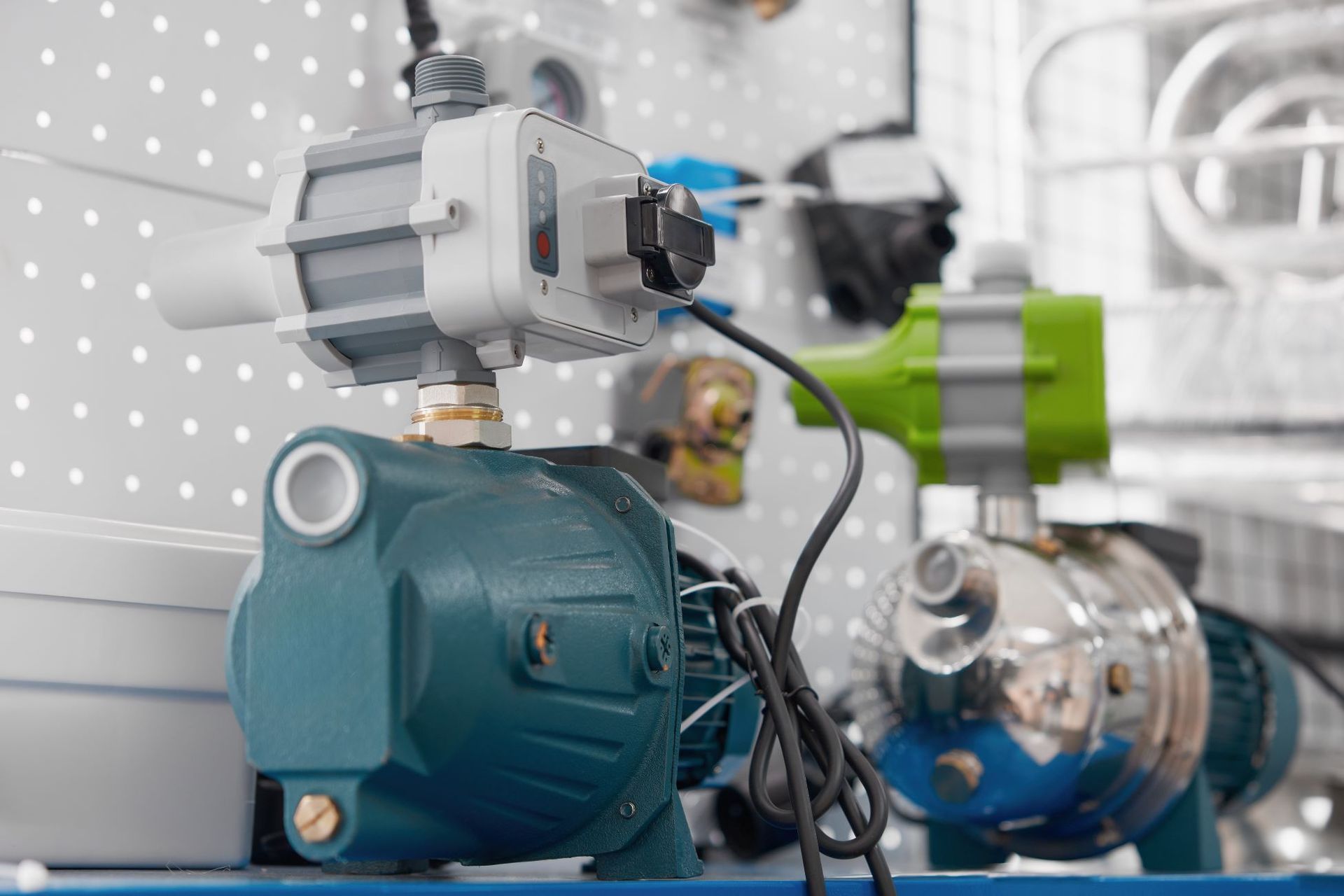
A sump pump sits in a small pit called a sump basin. When water collects in the pit, it raises a float switch. The float switch signals the pump to turn on and push the water out through a discharge pipe away from your home. The pump continues to run until the water level drops below the switch.
There are two main types of sump pumps:
- Pedestal pumps, where the motor sits above the sump basin
- Submersible pumps, where the whole unit sits underwater in the sump basin
Each type has pros and cons, but regardless of the style, they all rely on mechanical and electrical components that can wear out or malfunction over time.
Most Common Reason for Sump Pump Failure
1. Lack of Regular Maintenance (Number One Cause)
By far the most common reason for sump pump failure is insufficient maintenance. Because a sump pump sits hidden in a pit that you rarely see, it is easy to forget about it. Without regular inspection and cleaning, several problems can develop:
- Debris builds up in the sump pit and around the pump impeller
- Float switches get stuck on debris or against the side of the basin
- Check valves clog or fail
- Corrosion and wear take their toll on parts
When these conditions build up, the pump can either fail to turn on when needed or run continuously and overheat. Homeowners often do not check their sump pump until a heavy rainstorm, which is exactly when they need it most.
Prevention Tips:
- Test your sump pump twice a year
- Pour a bucket of water into the pit to verify the float switch activates the pump
- Remove sediment, gravel, or leaves from the basin
- Check that the discharge line is clear and directed away from the foundation
2. Float Switch Failure
The float switch is one of the simplest yet most crucial parts of a sump pump. It tells the pump when water is high enough to start pumping. If the switch gets stuck, jammed, or fails electrically, the pump may never turn on or may run continuously, which can burn out the motor.
Float switch issues can happen because:
- Debris catches under or around the float
- The float hangs up against the basin wall
- The switch wears out over time
Prevention Tips:
- Clear the area around the float switch
- Manually lift the float now and then to ensure it moves freely
- Install a float guard to prevent snags
3. Clogs in the Pump or Discharge Line
Water flowing into the sump pit can carry debris with it. Leaves, sand, gravel, and other sediment can collect:
- in the sump basin
- around the pump intake
- in the discharge line that carries water away
If the intake gets blocked, the pump cannot move water fast enough, causing rising water levels even while it runs.
Warning signs of a clog:
- Pump runs but water level stays high
- Pump sounds labored or unusual
- Water backs up toward the basement
Prevention Tips:
- Use a sump pump cover or screen
- Inspect and clear the discharge line and check valve
- Direct gutters and downspouts away from the foundation
4. Power Failure
Sump pumps are powered by electricity. During storms with heavy rain or snow melt, a power outage means the pump will not run. This is when you need it most.
Solutions:
- Install a battery backup system
- Consider a water-powered backup pump if water pressure is strong enough
- Test backup systems regularly
5. Wear and Tear
Like any mechanical device, sump pumps wear out over time. Most last about 7 to 10 years with good maintenance. Heavy use or sediment can shorten their lifespan. Worn parts reduce performance and reliability.
Prevention Tips:
- Track the age of your pump
- Plan for replacement once it's 10+ years old
- Keep it clean and test regularly
6. Improper Installation
Sump pumps that are not installed correctly are more likely to fail. Common installation issues include:
- Uneven basin
- Undersized or blocked discharge pipe
- Improper wiring or no ground fault protection
- Missing or incorrectly installed check valve
Prevention Tips:
- Hire a licensed plumber for installation
- Ensure discharge line slopes correctly
- Use a dedicated circuit with GFCI protection
Backup Systems Matter
Because of the number of ways a primary pump can fail, many homeowners install a backup sump pump system. This could be:
- a battery backup pump, or
- a water-powered pump that runs on municipal water pressure
Backups activate when the primary unit fails or cannot keep up. For flood-prone areas, they offer peace of mind.
Just like main pumps, backups need
regular testing and maintenance.
Early Warning Signs Your Sump Pump Is Failing
Learn to recognize the early signs of sump pump failure:
- Pump doesn’t activate during testing
- Pump runs but water drains slowly
- Rapid on/off cycling
- Louder operation than usual
- Water stays in the pit after use
- Water spurts back toward the foundation
If you notice these symptoms, schedule a professional inspection.
How to Test Your Sump Pump
Testing your sump pump is simple:
- Disconnect the power
- Fill the basin with water
- Watch the float and pump action
- Confirm fast, complete water removal
- Check for discharge leaks or clogs
Test your pump
at least twice a year, especially before rainy seasons.
Need Help With Your Sump Pump?
If you're concerned about sump pump performance, don’t wait until a storm hits. At Frank’s Mr. Plumber, our licensed technicians offer fast, expert service across Tonawanda and the Buffalo area. Whether you need inspection, repair, or full replacement, we’ll make sure your basement stays dry and protected.
Call
716-780-2958 or
reach us online. We’re available evenings and weekends to help.
How Can We Help?
Your Plumbing Solution Starts Here!
Complete the form below, and one of our team members will contact you promptly or call us directly at (716) 780-2958